 Skip to content


PanKAT Bringing the Steelpan into the World of MIDI
PanKAT: bringing the steelpan into the world of MIDI
The steelpan has one of the most recognisable sounds in music. A few notes can suggest a Caribbean landscape, a street parade, a steelband rehearsal or a quiet melody carried across a warm evening. But the instrument is more than a musical postcard. It has a wide expressive range, a demanding playing technique and a rich musical history. The PanKAT was created around an intriguing idea: what if a steelpan player could keep a familiar circular note layout while using it to control a much wider electronic sound world?
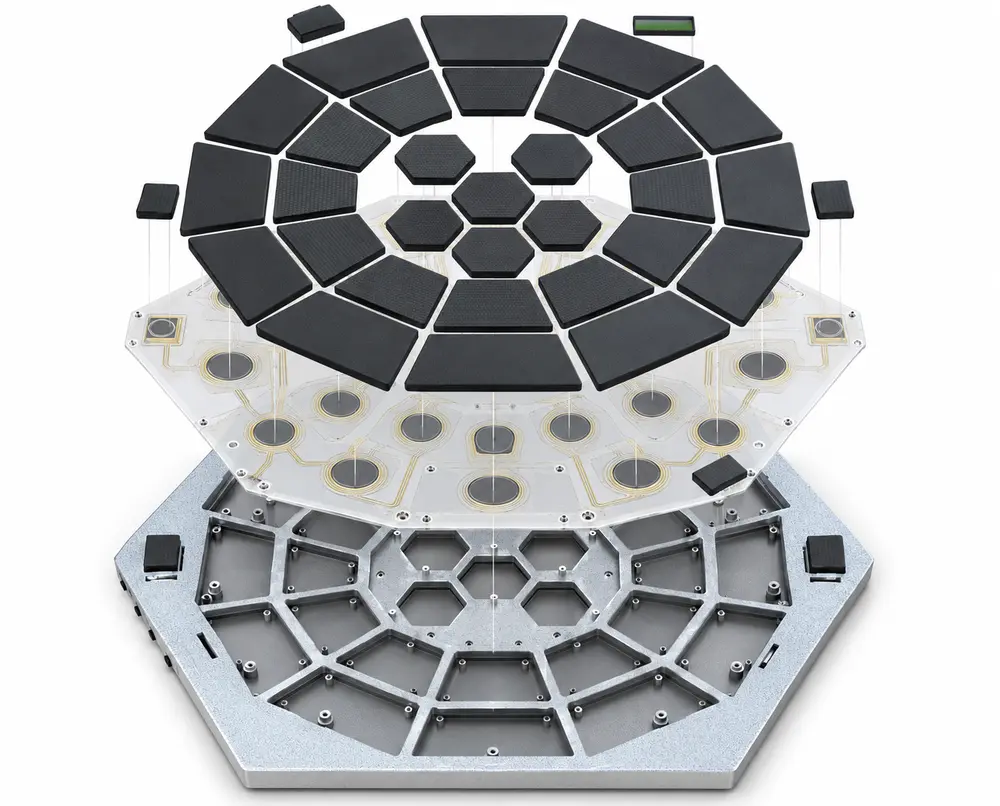
The PanKAT, also written as panKAT, is a MIDI steel drum percussion controller associated with Alternate Mode. It is not simply an acoustic steelpan with a pickup added. It is an electronic playing surface: a one-piece arrangement of 30 responsive pads laid out in a steelpan-inspired format. Strike a pad and the controller sends performance information to a sound source. Depending on the setup, that source can be a sound module, computer-based instrument or other MIDI equipment.
That distinction explains both the appeal and the learning curve. The panKAT offers a route from steelpan-style playing into MIDI, with the ability to call up different sounds and shape how notes behave. At the same time, the sound you hear depends on the sound engine and the way the system is configured. The controller is the performer’s interface; the connected instrument supplies the voice.
This guide looks at the panKAT’s key features, what they mean in practical terms, and the kinds of musicians who may find the instrument useful. Specifications discussed here reflect historical descriptions of the product; check the actual unit, sound module and documentation before buying a second-hand instrument or planning a modern setup.

What is the PanKAT?
The panKAT is an electronic MIDI controller built around the visual and playing logic of a steelpan. Its 30 pads are arranged in a circular pattern inspired by a conventional C pan layout. Instead of hitting tuned metal note areas, the player strikes electronic pads that trigger notes or other assigned MIDI events.
The circular arrangement matters. Steelpan players learn where notes sit in relation to one another across a playing surface, and the panKAT’s design aims to make that geography familiar. It offers a more direct transition for a player who already understands steelpan note patterns than a straight keyboard might. Yet it is still a controller with its own response, programming and setup. Familiar note placement can help, but it does not automatically make every playing technique identical to playing an acoustic pan.
Key features of the panKAT
1. A 30-pad, steelpan-inspired layout
The most visible feature is the single-piece layout of 30 playing pads. The pads are organised in a circular, steelpan-style format, giving the instrument a distinctive playing surface that differs from the linear arrangement of a piano keyboard or the separated zones of a conventional electronic drum kit.
For melodic steelpan playing, this layout can make note relationships feel more natural. A player can move around the surface in patterns that resemble the geography of a pan, while a drummer or percussionist can use the pads to trigger a wider selection of sounds. The same physical layout can therefore support more than one musical approach: melody, rhythmic parts, percussion changes or hybrid performance.
2. MIDI control and flexible sound choices
The panKAT’s defining feature is MIDI. Rather than being tied to one acoustic voice, it can control compatible external sound sources. Historical product descriptions mention a General MIDI sound engine on versions equipped with internal sounds, along with MIDI use with a computer or external module. The exact capabilities depend on the version and configuration of the unit.
MusicRadar’s 2008 overview mentions 128 sounds. Early launch coverage also refers to 128 factory kits and 128 user kits, with arrangements for steel drum, drums and percussion. A kit is a collection of settings: it can determine what the pads trigger and how the controller responds. Factory kits can offer a starting point, while user kits give the musician room to create setups for a particular performance or style.
The practical advantage is variety. One setup might be built around a steelpan voice; another could use a mallet instrument, drum sounds or an unconventional electronic patch. A performer could change the sonic character of a piece without changing the physical controller. The musical possibilities still depend on the connected sound source, available presets and programming, but the panKAT’s MIDI design opens the door to that flexibility.
3. Two virtual controller wheels
The one-piece pad surface is accompanied by two virtual controller wheels. These provide additional performance control beyond striking the pads. Contemporary product coverage mentions pitch bend on the fly and other live control functions, although exact assignments may depend on the unit’s settings and software version.
A controller wheel can make an electronic performance feel less static. Instead of every note having only a fixed pitch and volume, a performer can introduce movement or adjust a parameter while playing. Pitch bend is a familiar example: it can add a glide or expressive inflection to a sound, if the receiving instrument responds to the MIDI data as expected.
These controls also point to the panKAT’s broader design idea. It is not only about triggering notes from a steelpan-shaped surface; it is also about giving the player ways to influence what happens after the note is triggered. For a live performer, that can make a MIDI setup feel more like an instrument and less like a bank of buttons.
4. Dynamic playing and velocity shifting
The panKAT’s performance features include velocity shifting. In MIDI, velocity usually represents how forcefully a note is struck. A sound source can respond to different velocities with changes in loudness, tone or sample layer. That can help make a repeated note sound more expressive than a simple on/off trigger.
Velocity shifting is a related performance function that can change how a pad’s output behaves across successive strikes or settings. It can be used to create variation or move between assigned sounds, depending on the programming. The important point for a player is that the pad is intended to respond as part of a musical performance, not just as a static switch.
5. Dampening and dead-stroking
Dampening and dead-stroking are among the specialist performance functions associated with the panKAT. These terms evoke techniques used by percussionists and steelpan players to control the length or character of a note. In an electronic setup, such functions can alter how a note is triggered, sustained, muted or otherwise shaped, depending on the instrument’s programming and the receiving sound source.
This matters because electronic instruments can sometimes sound disconnected from the gestures that make acoustic playing expressive. Functions that let a player shape note endings and articulation help bridge that gap. Instead of treating every pad strike as an identical sound event, the performer can work with a more detailed set of behaviours.
6. Polyphonic and monophonic modes
The panKAT’s documented feature list includes poly and mono modes. In polyphonic operation, multiple notes can sound together, which is useful for overlapping melodies, chords or sustained parts. In monophonic operation, the controller or sound source can prioritise a single note at a time, which may be suitable for certain melodic lines or specialised playing behaviours.
7. Alternate notes per pad
Alternate notes per pad allow a single playing zone to produce different notes or sounds under programmed conditions. This creates options for variation without requiring the player to move to another pad for every change. In a drum or percussion setup, it could support changing articulations or alternating sounds. In a melodic context, it can be used as part of a more adventurous arrangement.
8. Warp arpeggiator and loop control
Historical panKAT descriptions also list a warp arpeggiator and loop control functions. An arpeggiator can turn note input into a repeating pattern or sequence of notes; loop controls can help manage repeated musical material. These tools bring sequencing ideas into a hands-on performance context.
For a solo performer, a loop can provide a foundation to play over. In a group, it might support a repeated motif or a controlled transition, depending on the wider setup. The warp arpeggiator suggests a more unusual creative tool for transforming input into rhythmic or melodic movement.
9. Programmable inputs for pedals
The panKAT has two programmable inputs described as suitable for control or for hi-hat and bass drum pedals. That is an important addition for a player who wants to combine hand playing with foot control. A bass drum pedal can add a low rhythmic part, while a hi-hat pedal can bring familiar drum-kit gestures into the setup. Alternatively, the inputs can be assigned to other supported control functions.
This expands the panKAT beyond a hand-played steelpan controller. It can function as a larger percussion performance station, with the hands playing the main pad layout and the feet operating additional parts or controls. For a percussionist who wants to build a self-contained hybrid rig, that design can be especially appealing.
Before connecting pedals, check the documentation for the relevant version. Trigger and control inputs are not universally interchangeable, and the correct pedal type, cabling and configuration matter.
10. Headphone output and private practice
MusicRadar’s overview notes a headphone output for private practice. This is useful for home rehearsal, late-night programming and learning a new setup without relying on a full loudspeaker system. Some versions or configurations may include additional audio connections through an internal sound engine; verify these on the specific instrument rather than assuming every panKAT has identical connections.
Headphone practice can also make it easier to focus on timing, pad response and sound selection. A performer can work through kit assignments and musical parts quietly before taking the instrument into a rehearsal room or onto a stage.
11. Software development and evolving capability
The 2008 MusicRadar report noted ongoing software upgrades. That point reflects the panKAT’s history as a programmable electronic instrument, where software revisions could affect the feature set and workflow. It is a reminder to check the software version and support history when considering a used unit.
How musicians might use the panKAT

Steelpan players exploring electronic performance
A steelpan player may be drawn to the panKAT because it places the pads in a pan-inspired pattern. It offers an opportunity to play MIDI sounds while working from a layout that relates to steelpan geography. This can be useful for experimenting with new timbres, building demos or performing in settings where an acoustic instrument is impractical.
It should not be seen as a replacement for the acoustic pan’s sound, physical response or cultural role. Rather, it is another instrument that can extend a musician’s choices.
Drummers and percussionists
The pad count, programmable inputs and performance modes make the panKAT relevant to drummers and percussionists as well. A kit can assign different drum and percussion sounds around the circular surface, with pedals adding bass drum or hi-hat parts. The controller’s layout is unusual compared with a standard electronic drum kit, but it may suit a player looking for an alternative arrangement or a hybrid percussion instrument.
Producers and composers
For a producer, the panKAT can be a recording input and a source of performance gestures. The circular layout may encourage patterns that differ from keyboard habits. Programmable kits can be prepared for a specific track, and controller data can be captured in a MIDI recording environment for editing or arrangement.
Live performers and educators
On stage, a panKAT could provide a distinctive visual centrepiece and a flexible sound source. Its ability to control multiple sounds can be useful for a performer moving between musical roles. In education, it may offer a way to discuss steelpan note layouts, MIDI, electronic instruments and the relationship between gesture and sound.
For either use, reliability and setup are key. Check the cable path, MIDI routing, sound module, amplification and backup plan before a performance. A controller is only as dependable as the system around it.
What the PanKAT is—and what it is not
The panKAT is best understood as a MIDI controller with a steelpan-inspired playing surface and a specialised set of performance features. It is not automatically an acoustic steelpan, and it does not guarantee a particular steelpan sound on its own. The sound depends on the internal engine where fitted, or on the external instrument receiving its MIDI data.
It is also not necessarily plug-and-play with every modern computer, module or pedal. Compatibility can depend on MIDI connections, interface requirements, operating systems, drivers and the age of the equipment. Historical descriptions mention PC and Receptor use, but that does not confirm compatibility with today’s devices. Before buying, identify the exact model and version and test the full signal chain.
Finally, the panKAT is a specialist instrument. Its extensive features may be a creative advantage for one player and unnecessary complexity for another. Someone seeking a straightforward controller should compare it with simpler options; a performer interested in a circular steelpan layout, programmable MIDI behaviour and integrated control features may value its distinctive design.
Buying a used panKAT: what to check
Because the panKAT is a historical product, prospective buyers are likely to encounter used examples. Condition and completeness matter as much as the headline feature list. Ask the seller to demonstrate all 30 pads, the controller wheels, headphone output, MIDI connections and any pedal inputs. Confirm whether the unit includes an internal sound engine or requires an external module.
Request the installed software version and ask whether the original power supply, stand, padded bag, manuals or backup files are included. If the panKAT stores user kits, ask whether those settings can be saved and restored. Try the unit with the exact sound source you expect to use, or confirm that you can connect it to your intended module or computer through the right interface.
Check for uneven pad response, intermittent connections, damaged cables, display problems and missing controls. A seller’s description may combine information from several configurations, so do not assume every example includes every feature listed in an old article. Ask for photographs of the rear panel and a short video demonstrating the instrument in operation.
Price and availability change over time, so a figure quoted in an old news article is not a current valuation. Compare recent listings for the same configuration and condition, and factor in any cost for a sound module, MIDI interface, pedals, stand or repairs.
The PanKAT’s place in electronic steelpan history
The panKAT represents an early attempt to bring the steelpan’s circular playing geography into an electronic controller. Its concept speaks to a broader conversation in music technology: how can a new instrument preserve familiar gestures while opening up unfamiliar sounds? The panKAT’s answer was a purpose-shaped controller with a broad MIDI feature set, rather than a generic keyboard or drum pad.
For steelpan communities, electronic instruments can raise important questions about authenticity, access and the future of the tradition. A controller cannot replace the sound, craftsmanship or social practice of a steelband. But it can give artists another way to compose, teach, tour, experiment and collaborate. The value of the panKAT lies in what a musician does with it and how thoughtfully it is placed alongside acoustic instruments and musical traditions.
Is the PanKAT right for you?
The panKAT may appeal to steelpan players who want to explore MIDI without starting from a conventional keyboard layout; to percussionists seeking a circular multi-pad controller; and to producers or performers who want a distinctive hands-on way to trigger and shape sounds. Its programmable features and pedal inputs may suit players who enjoy building detailed setups and learning an instrument’s deeper functions.
It may be less suitable for someone who wants an acoustic steelpan sound without extra equipment, a simple controller that needs no configuration, or a product with confirmed current manufacturer support. Since the available product information is historical, it is especially important to inspect the individual unit and verify its working condition before making a purchase.
The most useful question is not whether the panKAT can make every sound imaginable. It is whether its layout and response help you make the music you want to make. If a pan-inspired playing surface, flexible MIDI control and percussion-oriented features fit your musical approach, the panKAT is an unusual instrument worth investigating.
Frequently asked questions about the PanKAT
Is the PanKAT a real steelpan?
The panKAT is an electronic MIDI controller with a steelpan-inspired layout. It uses trigger pads rather than tuned acoustic metal note areas. The sound comes from an internal sound engine on suitably equipped versions or from a connected MIDI sound source.
How many pads does the panKAT have?
Historical product descriptions identify a one-piece design with 30 playing pads, arranged in a steelpan-style circular format.
What sounds can the panKAT play?
The controller can trigger sounds from a compatible sound engine. Period descriptions mention 128 sounds and GM sound support on specified configurations, as well as kits for steel drum, drums and percussion. The exact sounds available depend on the version and connected sound source.
Can you use pedals with the panKAT?
Historical descriptions list two programmable inputs that can be assigned for control or used with hi-hat and bass drum pedals. Confirm the pedal type and input configuration in the documentation for the specific model.
Is the panKAT still available new?
The product information cited here is historical and does not confirm current production or new-stock availability. Check current specialist retailers and used-instrument marketplaces, and verify the condition and configuration of any listing.
Does the PanKAT replace an acoustic steelpan?
No electronic controller reproduces every aspect of an acoustic pan’s sound, touch and playing context. The panKAT is better viewed as a separate instrument that can complement an acoustic steelpan and expand a musician’s electronic options.
Final thoughts
The PanKAT is a distinctive instrument built around a simple but ambitious concept: let players approach MIDI from a steelpan-inspired surface. Its 30 pads, virtual controller wheels, programmable kits, expressive performance functions and pedal inputs give it a wider role than a conventional trigger pad. It can serve steelpan players, drummers, percussionists and producers who want to explore sounds and gestures beyond a single acoustic voice.
Editorial source note
This article is based primarily on historical descriptions of the Alternate Mode panKAT, including MusicRadar’s 2008 overview and contemporaneous product coverage. The supplied pankat.art URL currently presents an art shop and does not appear to be documentation for the MIDI steelpan controller. The supplied MyPanyard page could not be independently retrieved during drafting, so claims above are limited to details corroborated by accessible product coverage. Verify current specifications with the seller or original documentation before publication as a buying guide.
Explore more percussion instruments
The PanKAT shows how a familiar playing surface can open the door to new sounds. If you’re ready to explore further, browse Amazon’s wide selection of steel drums, hand drums, hang drums, tongue drums, percussion instruments and accessories.
Whether you want a first hand drum, a new melodic instrument for your studio, or extras such as stands, cases, mallets and bags, you can compare styles, specifications and customer reviews in one place. Product names and descriptions can vary, so check each listing carefully. Materials, tuning, dimensions, accessories and seller terms differ between instruments; review the details, delivery and returns information before ordering.
A varied percussion collection can bring fresh textures to songwriting, live performance, classroom activities and home practice. Pair a steel or tongue drum with hand percussion, shakers or frame drums to explore contrasting rhythms and tones. Choose equipment that suits your music, playing space and budget. The right choice can keep practice fresh, focused and enjoyable. Compare trusted sellers and recent feedback before choosing an instrument for your needs.
Paid link: Browse steel drums, hand drums, hang drums, tongue drums, percussion and accessories on Amazon
As an Amazon Associate I earn from qualifying purchases.
