 Skip to content


Steelasophical Photo Gallery



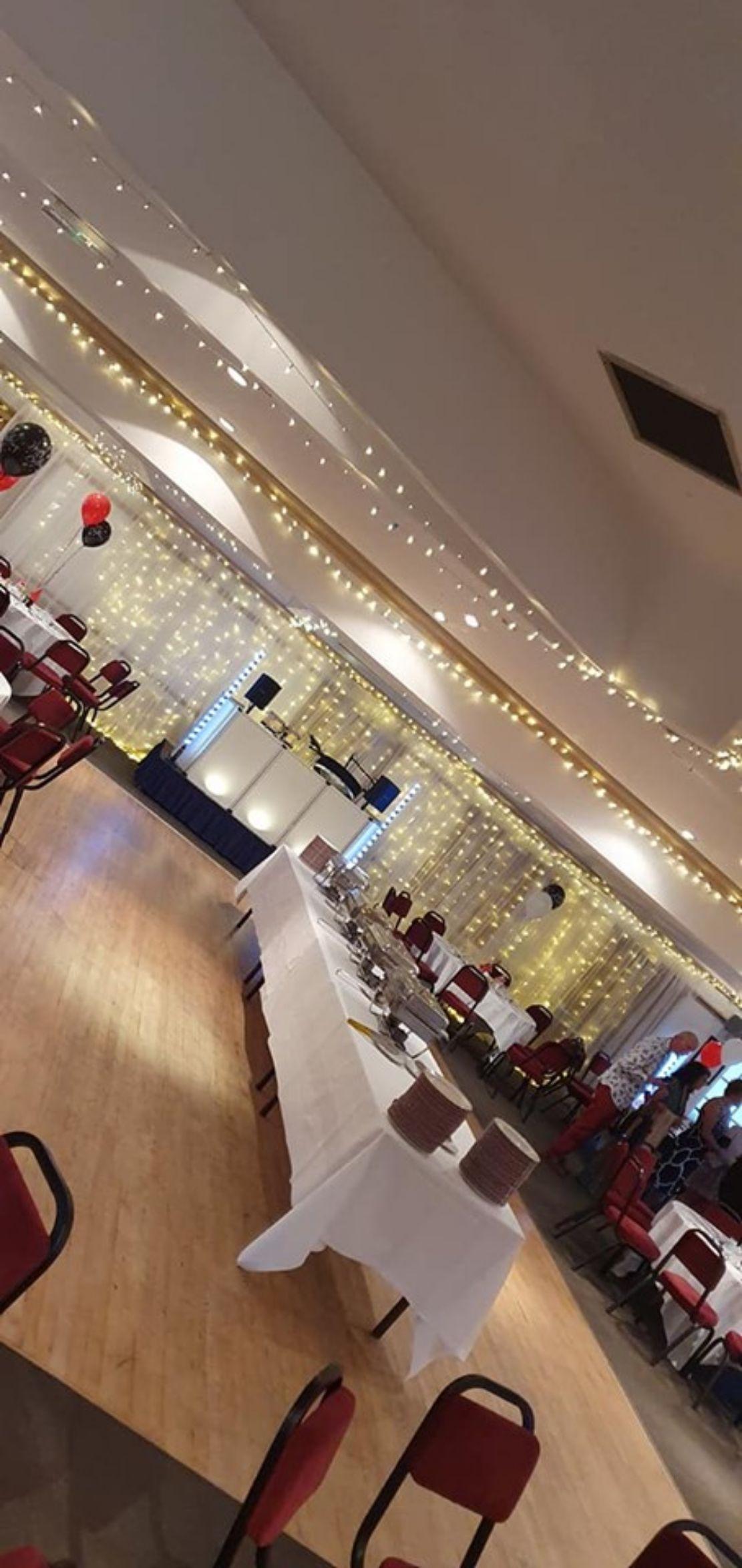


Steelasophical Photo Gallery
Traditional Wedding Ceremony Order: 11 Key Moments
Planning a wedding ceremony can feel surprisingly complicated. You know the important part: you arrive, exchange vows, exchange rings, get married and celebrate. But when you begin planning the details, questions quickly appear.
Who walks down the aisle first? When do the readings happen? Do the rings come before or after the vows? When should you have live wedding music? What happens immediately after the first kiss? And what exactly is the difference between the processional and recessional?
The good news is that there is no requirement for every wedding to follow precisely the same formula.
Modern couples increasingly combine traditional elements with personal touches, creating ceremonies that reflect their personalities, families, cultures and musical tastes.
However, understanding the traditional wedding ceremony order gives you an excellent starting point.
You can then decide which traditions you want to keep, which you want to change and where you can introduce something unexpected — including the music.
Here are 11 key moments in a traditional wedding ceremony, together with ideas for creating a celebration that feels unmistakably yours.
1. The Wedding Processional
The processional marks the official beginning of your wedding ceremony.
This is when the wedding party enters the ceremony space and makes its way towards the front.
Depending on your wedding arrangements, the processional could include parents, grandparents, the groom or partner, best man, bridesmaids, groomsmen, flower children and ring bearers.
Traditionally, one of the final and most anticipated moments is the bride walking down the aisle, often accompanied by her father or another important person.
Today, however, couples are far less restricted by convention.
A bride might enter with both parents, her mother, a sibling, children or a close friend. She may equally decide to walk down the aisle independently.
Same-sex couples may enter separately, together or create an entirely different processional arrangement.
The important consideration is that the entrance feels right for you.
Choosing Your Processional Music
Music has enormous influence over this moment.
Before your guests see you, the first notes of your chosen entrance music can completely change the atmosphere.
Classical compositions remain popular, but couples increasingly choose contemporary songs, acoustic arrangements and live musicians.
This is also where live steelpan wedding music can create something genuinely distinctive.
The steelpan does not have to mean loud Caribbean party music. Played sensitively, it can sound warm, delicate and romantic.
Imagine a favourite ballad or love song performed on steelpan as you make your entrance.
It is familiar enough to connect emotionally with your guests while sounding completely different from the wedding ceremonies they may have attended before.
2. Words of Welcome
Once everyone has taken their places, the officiant welcomes the couple and their guests.
This is generally brief.
The officiant may thank everyone for attending and acknowledge that friends and family have gathered to witness an important commitment.
Although relatively simple, these opening words serve an important purpose.
The processional creates anticipation and emotion. The welcome gives everyone a moment to settle before moving into the formal ceremony.
For religious ceremonies, the opening may also include a prayer or acknowledgement of faith.
Civil and celebrant-led weddings can provide considerably more freedom, allowing couples to create an introduction that reflects their personalities.
The tone might be romantic and formal or warm, relaxed and humorous.
3. Introduction and Meaning of Marriage
The officiant or celebrant may now introduce the purpose of the ceremony and speak about marriage.
This section can be particularly effective when personalised.
Rather than delivering generic words about relationships, a celebrant might tell part of your story.
How did you meet?
What brought you together?
What do you value about each other?
What experiences have shaped your relationship?
Why have you chosen to marry?
This transforms the ceremony from something that could belong to anybody into something that could only belong to you.
A good wedding ceremony should allow guests to recognise the personalities of the people getting married.
You do not necessarily need elaborate additions to achieve this.
Sometimes a few carefully chosen stories, pieces of music or readings are enough.
4. Wedding Readings
Readings provide another opportunity to personalise your wedding ceremony.
You might choose a poem, literary passage, religious text or piece of writing that has particular significance to your relationship.
Some couples ask somebody close to them to write something specifically for the occasion.
Readings are also an excellent way to involve friends or relatives who are important to you but do not have another formal role within the wedding party.
There is no requirement to have readings at all.
Equally, you could include several.
What matters is that they contribute something meaningful rather than being included simply because wedding tradition suggests that you should have them.
Think about how the reading fits the overall emotional journey of your ceremony.
A humorous piece can provide a welcome change of pace. Something reflective can create a quiet moment before the vows.
5. The Officiant Addresses the Couple
The ceremony now begins to focus increasingly on the two people getting married.
The officiant may speak directly to you about commitment, partnership and the responsibilities associated with marriage.
In a religious ceremony, this section may explore the spiritual significance of marriage.
A civil or celebrant-led ceremony may instead focus on companionship, trust, friendship, love and building a future together.
It is essentially the bridge between the introductory parts of the ceremony and the promises you are about to make.
This is where the atmosphere often becomes noticeably more intimate.
Guests become quiet.
The couple focuses on each other.
And then comes one of the defining moments of the entire wedding day.
6. The Exchange of Wedding Vows
For many couples, the vows are the emotional centre of the ceremony.
This is the moment when you publicly make your promises to one another.
Depending on the type of ceremony, some wording may be legally or religiously prescribed. Beyond those requirements, there may be opportunities to personalise what you say.
Some couples prefer traditional vows.
Others write their own.
Personal vows can be moving because they give you an opportunity to speak directly to your partner rather than simply repeat words spoken by the officiant.
They do not need to sound like poetry.
They simply need to sound like you.
Think about what you are genuinely promising.
Support?
Friendship?
Patience?
Adventure?
Loyalty?
A lifetime of making each other laugh?
There is room for sincerity and humour.
If you are writing your own vows, however, it can be helpful to agree approximately how long they will be. One person arriving with three sentences while the other produces a ten-minute speech can create a slightly unexpected imbalance!
7. The Wedding Ring Exchange
The exchange of rings traditionally follows the vows.
Wedding rings have become one of the most recognisable symbols of marriage.
Their circular shape is often associated with continuity, unity and enduring commitment.
The officiant may explain the symbolism before inviting each person to place a ring on their partner’s finger.
You might repeat a short phrase during the exchange or simply allow the moment to happen without additional words.
This is another area where couples sometimes introduce family traditions.
Perhaps you are using a ring that has been passed through generations or incorporating jewellery with particular personal significance.
Those details can make a relatively short part of the ceremony extraordinarily meaningful.
And yes, somebody needs to remember the rings.
That is one traditional wedding responsibility worth double-checking before the ceremony begins.
8. The First Kiss
You’ve made your promises.
You’ve exchanged the rings.
Now comes the moment everyone recognises.
The officiant pronounces you married and invites you to kiss.
The first kiss usually marks a dramatic emotional change within the ceremony.
Until this point, guests have generally been quiet and attentive.
Suddenly there is applause, cheering and laughter.
You are married.
From a photography perspective, this is also one of the defining images of the day.
Give your photographer the opportunity to capture it properly rather than treating it as a race to the next stage.
Enjoy the moment.
You only get one first kiss as a married couple.
9. The Unity Ceremony
Some couples include an additional symbolic ritual as part of their wedding.
This is often known as a unity ceremony.
The idea is to perform an action that represents two lives or families becoming connected.
Popular examples include lighting a candle together, combining different coloured sands, planting a tree or tying ribbons around the couple’s hands.
Handfasting has become particularly popular.
Different cultures also have their own wedding traditions and rituals, providing couples with opportunities to honour their heritage and families.
There is no need to include a unity ceremony simply because you have seen one elsewhere.
Its value comes from its significance to you.
If it represents something meaningful about your relationship, family or cultural background, it can become one of the most memorable elements of the ceremony.
10. Closing Remarks, Prayer or Blessing
The ceremony now moves towards its conclusion.
At a religious wedding, this may include a final prayer or blessing.
Guests may be invited to participate in some way, depending on the traditions of the faith.
At a non-religious ceremony, the celebrant might offer final words about marriage, read a poem or simply wish the couple happiness in their future together.
This moment provides a natural conclusion to the formal part of the ceremony.
But something important is about to happen musically.
The atmosphere is going to change.
You arrived as two people preparing to marry.
You are about to leave as newlyweds.
The music can reflect that transformation.
11. The Wedding Recessional
The recessional is your exit from the ceremony.
The officiant formally presents the newly married couple and your guests celebrate.
You then walk back down the aisle together, usually followed by members of the wedding party.
The processional may have been elegant, romantic and emotional.
The recessional can be completely different.
This is celebration.
Your guests are smiling, cheering and applauding.
Your choice of music can reinforce that energy immediately.
An upbeat favourite song can work brilliantly.
So can live steelpan.
The bright, instantly recognisable sound of the instrument can turn the transition from ceremony to reception into part of the entertainment itself.
Instead of the music stopping once you reach the end of the aisle, it can continue.
And that brings us to something couples sometimes overlook when planning their wedding entertainment.
What Happens Immediately After Your Wedding Ceremony?
This can be one of the most important parts of the day for creating atmosphere.
The ceremony finishes at, for example, 2:00pm.
Dinner may not begin until 4:30pm.
What happens in between?
Usually:
Photographs.
Champagne.
Canapés.
Conversation.
Waiting.
That last word matters.
Without an atmosphere being created around them, guests can sometimes feel as though they are waiting for the next part of the wedding to begin.
The couple may disappear for photographs.
Some guests know each other extremely well. Others may be meeting for the first time.
This is precisely why wedding drinks reception entertainment can be so effective.
Rather than leaving a gap between ceremony and wedding breakfast, live music creates continuity.
The celebration has already started.
Live Steelpan Music for Your Wedding Ceremony
The steelpan is particularly versatile because the instrument can produce very different moods.
Many people initially associate steelpan exclusively with calypso or reggae.
Those musical traditions are naturally an important part of its Caribbean identity, but the instrument can perform considerably more.
Steelasophical Steel Band & DJ has a repertoire of more than 300 songs across 14+ musical genres.
That allows the music to change throughout the day.
For the ceremony, you might want something romantic and restrained.
During the recessional, the energy can increase.
At the drinks reception, the repertoire can move between soul, pop, reggae, Motown, jazz, R&B, Latin, ballads and Caribbean favourites according to the audience and atmosphere.
The objective isn’t simply to work through a predetermined playlist.
It is to read the room.
Wedding Drinks Reception Entertainment
Your drinks reception is one of the best opportunities to use live steelpan.
Guests have just experienced the emotion and formality of the ceremony.
Now they want to relax.
Drinks appear.
Canapés arrive.
Photographs begin.
People start introducing themselves.
Steelpan creates a musical focal point without demanding everybody’s attention.
Guests can listen, talk, laugh, have photographs taken and enjoy the venue while live music continues around them.
Then something often happens.
Somebody recognises a song.
Another guest starts moving to the rhythm.
Phones appear.
People begin filming.
Children come over to investigate the instrument.
Guests start interacting with the performance.
The entertainment becomes part of the occasion rather than simply something happening in the corner.
That is exactly the atmosphere Steelasophical aims to create.
From Wedding Ceremony to Evening Reception
Wedding entertainment does not have to consist of several disconnected suppliers.
Steelasophical can provide live steelpan for the ceremony and drinks reception before helping maintain the musical atmosphere through other stages of your day.
That could include recorded background music during the wedding breakfast, entertainment during a room changeover, live music to welcome evening guests and DJ and lighting services for the evening reception.
Think of the wedding day as an emotional journey.
Ceremony: romantic and meaningful.
Recessional: celebratory.
Drinks reception: relaxed, sociable and uplifting.
Wedding breakfast: comfortable and atmospheric.
Evening guest arrival: energy begins building again.
Evening reception: celebration and dancing.
The music should evolve with those stages.
Choosing the Right Wedding Entertainment
There are hundreds of musicians, DJs and wedding entertainment companies available.
The decision should not be based purely on how many minutes somebody promises to perform.
Ask what they contribute to the atmosphere.
Can they adapt?
Can they read an audience?
Do they have sufficient repertoire for different generations?
What happens if timings change?
How early will they arrive?
What contingency arrangements do they have?
Can they work comfortably alongside your venue and other wedding suppliers?
These questions matter because weddings rarely run precisely to the minute.
Professional wedding entertainment needs flexibility.
Steelasophical aims to arrive approximately two hours before the scheduled start time, allowing time for travel contingencies, parking, venue access, unloading and preparation.
The couple should not be standing ten minutes before their ceremony wondering where their musician is.
You already have enough to think about.
Make Your Wedding Ceremony Sound Like Your Wedding
Traditions can provide a wonderful framework.
But they are a framework, not a rulebook.
Your processional can be traditional.
Your vows can be completely personal.
Your readings can make everybody cry.
Your first kiss can make everyone cheer.
And your recessional can explode into the unmistakable sound of live steelpan as you walk back down the aisle together.
The best weddings combine meaningful traditions with moments that reflect the people getting married.
Music is one of the easiest ways to achieve that.
Long after the flowers have gone and the wedding cake has disappeared, hearing a particular song can transport you back to a specific moment.
Your entrance.
Your first kiss.
Walking back down the aisle.
Champagne with your friends.
Your first dance.
The final song of the night.
Choose the soundtrack carefully.
Bring the Caribbean to Your Wedding
If you’re planning your wedding and want something different from conventional wedding entertainment, Steelasophical Steel Band & DJ can provide music for individual parts of your celebration or help create a musical journey across the entire day.
From beautiful steelpan music as your guests arrive to your ceremony, through the processional, recessional, photographs, drinks and canapés, to welcoming your evening guests and filling the dance floor later that night, the entertainment can be shaped around your plans.
You don’t simply need somebody who can play the songs.
You need somebody who understands when to play them, how to create the right atmosphere and when that atmosphere needs to change.
That is the difference between having music at your wedding and using music to enhance the experience.
Steelasophical Steel Band & DJ
We bring the Caribbean to you.
Planning Your Wedding?
Don’t leave the atmosphere between the ceremony and evening reception as an afterthought.
Check Steelasophical’s availability for your wedding date and discover how live steelpan, ambient music, DJ entertainment and lighting can work together across your wedding day.
SEO Title: Traditional Wedding Ceremony Order
Primary Keyphrase: traditional wedding ceremony order
Secondary Keyphrases: wedding ceremony order, order of wedding ceremony, wedding ceremony music, wedding processional music, wedding recessional music, live wedding music, steelpan wedding music, wedding drinks reception entertainment
Meta Description: Discover the traditional wedding ceremony order, from the processional and vows to the first kiss, recessional and live wedding music.
Bring the Caribbean to Your Wedding
Your wedding music should do more than simply fill the silence. It should help shape the atmosphere, reflect your personalities and give your guests something they will remember long after the celebrations are over.
If you’re looking for something different from conventional wedding entertainment, Steelasophical Steel Band & DJ can create a musical journey that develops naturally throughout your wedding day — from the first guests arriving to the final songs on the dance floor.
Your music can begin before the ceremony with relaxed steelpan melodies as guests take their seats. It can then accompany your processional, provide music during the signing of the register and change completely for an uplifting recessional as you make your first walk together as a married couple.
Wedding specialists Hitched’s guide to wedding ceremony music highlights these different musical moments, including the prelude, processional, register signing, recessional and post-ceremony music.
And the music doesn’t have to stop when the ceremony finishes.
As photographs begin and your guests move towards drinks and canapés, Steelasophical can transition into relaxed wedding drinks reception entertainment, helping maintain the energy while friends and family mix, mingle and get to know one another.
This part of the wedding day is particularly suited to live steelpan. It can provide an unmistakable musical presence without preventing guests from talking, enjoying drinks or having photographs taken.
The repertoire can move between romantic ballads, soul, Motown, reggae, R&B, pop, jazz, Latin and Caribbean favourites, allowing the atmosphere to evolve rather than remaining at one level throughout the day.
That flexibility matters. Your ceremony entrance should not necessarily feel like your drinks reception, and your drinks reception should not feel like the evening party.
The atmosphere should develop with the celebration.
For couples looking for inspiration beyond traditional entertainment, Hitched’s wedding entertainment guide specifically includes steel bands among its wedding entertainment ideas and features Steelasophical as an option for ceremonies, drinks receptions, dinner and the transition towards the evening celebration.
From the Aisle to the Dance Floor
Later in the day, Steelasophical can help bridge another part of the wedding that is sometimes overlooked: the transition between your daytime celebration and evening reception.
While your venue prepares the room, evening guests begin arriving and daytime guests refresh themselves, the entertainment needs to keep moving.
Live steelpan can welcome evening guests before the atmosphere changes again for the evening party.
Then the DJ and lighting service can take over.
This combination gives you the excitement and visual impact of a live musician alongside the enormous musical flexibility of a professional DJ. Hitched also notes that combining live musicians with a DJ can provide a balance between live performance and continuous evening entertainment.
A good wedding DJ isn’t simply somebody pressing play. Music needs to respond to the people in the room. Hitched’s wedding DJ guide recommends discussing musical preferences and important songs in advance, while its comparison of wedding bands and DJs highlights the importance of reading the crowd and choosing music that builds the atmosphere.
That principle sits at the heart of the Steelasophical approach.
You don’t simply need somebody who knows how to play the songs.
You need an entertainer who understands when to play them, when to change direction, how to read the room and how to create the right atmosphere for each stage of your wedding.
Because there is an important difference between simply having music at your wedding and using music to enhance the experience.
From the ceremony and that first walk back down the aisle to photographs, drinks, canapés, welcoming evening guests and finally filling the dance floor, Steelasophical can help create a soundtrack that moves with your wedding.
Steelasophical Steel Band & DJ — We bring the Caribbean to you.